Bathing & travel · A GUIDE FOR YOUR JAPAN VISIT
Onsen, sento or sauna? Choosing a place to warm up in Japan
Understand the differences, read the signs and make room for rest before and after a bath.
Written and edited by the TOYO BIYORI editorial team
Japanese publication: 2026.10.08 · English adaptation: 29 October 2026
Three different experiences
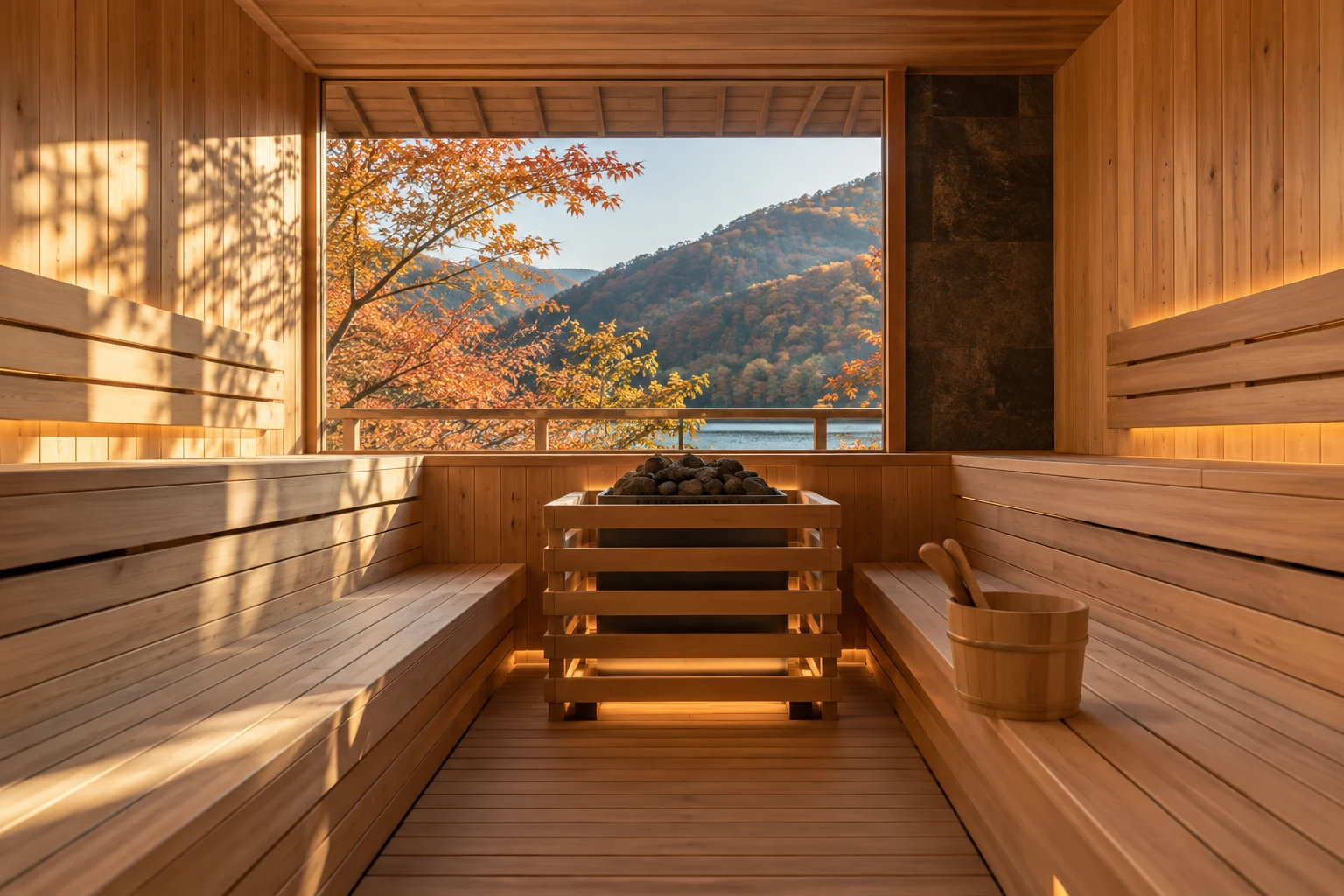
An onsen is a hot spring that meets Japan’s legal criteria. A sento is a public bathhouse, often using heated water, although some use hot-spring water. A sauna is a heated room, with facilities for cooling down and resting. These are different ways to spend time, not a ranking of health benefits.
At an onsen, look for information about the spring and bathing precautions. At a sento, check bath temperatures, facilities and opening hours. At a sauna, find out about the room temperature and where you can rest. Choose what suits your condition and the kind of day you want.
Read the onsen information before entering
Hot-spring facilities display information about the water and conditions in which bathing should be avoided. Read the precautions, including any information about added water or heating. If you cannot understand the signs, ask staff for help.
Japan’s Ministry of the Environment advises avoiding bathing immediately before or after meals and after drinking alcohol. Drink water before and after bathing. Start with limited visits—its guidance suggests once or twice a day initially—and rest afterwards. If the journey has left you exhausted, rest before getting into the bath.
At a sento, pay attention to the temperature
Some public baths are hotter than a bath at home. The Consumer Affairs Agency’s accident-prevention guidance gives a water temperature of 41°C or below and no more than 10 minutes in the bath as a general guide. These are not targets you need to reach: leave sooner if you feel uncomfortable.
Avoid standing up suddenly when leaving the bath. Take your time, rest and dress before becoming chilled. You do not need a cold plunge to complete a bathing experience.
A sauna is not an endurance test
Heat illness and burns can occur in saunas. Drink water before and afterwards, begin with a short stay and leave whenever you feel uncomfortable. Do not keep going to chase the Japanese idea of totonou, a sought-after feeling after a sauna session.
Rest between sessions. A cold bath is optional; do not enter abruptly or force yourself to tolerate it. Skip the sauna when unwell, sleep-deprived or after alcohol or a meal. Dizziness, palpitations or nausea are warning signs, not evidence that a session is working. Leave, rest and seek help if symptoms are severe or do not improve.
When to ask for advice
If you have a heart or circulatory condition, high blood pressure, diabetes or another condition under treatment, ask your doctor whether hot baths or saunas are appropriate for you. Pregnant and older travellers should also seek individual advice when needed. Children need particular care around heat; do not assume a sauna is suitable for them.
There is no universal answer to whether an onsen or sauna is better for you. Follow the facility’s precautions and your clinician’s advice. If a posted restriction applies, do not ignore it.
Build the bath into your day
Leave room for an unhurried arrival, water and a rest afterwards. A warming stop can be one part of a day trip; it does not need to be repeated as often as possible. Our guide to planning a slower trip offers ideas for half a day, one night or a longer stay.
Keep exploring
Continue with Planning a slower trip in Japan—from half a day to a few nights, or explore our English guide to places in Kyoto and Tokyo.
About this article
Adapted from our Japanese editorial article for visitors to Japan, with explanations of Japanese terms and practical travel context. This is general cultural and lifestyle information, not individual medical advice or a promise of health benefits. Follow professional advice where relevant and confirm each venue’s current arrangements.
This is an editorial article without advertising or paid promotion.
The original Japanese article credits Fumie Hamada as its reviewer. Review scope and qualifications are recorded in the Japanese edition; this English adaptation has not received a separate expert review.